Leucistic Iberian Lynx Captured on Camera: A Once-in-a-Lifetime Encounter with Nature’s Ghost
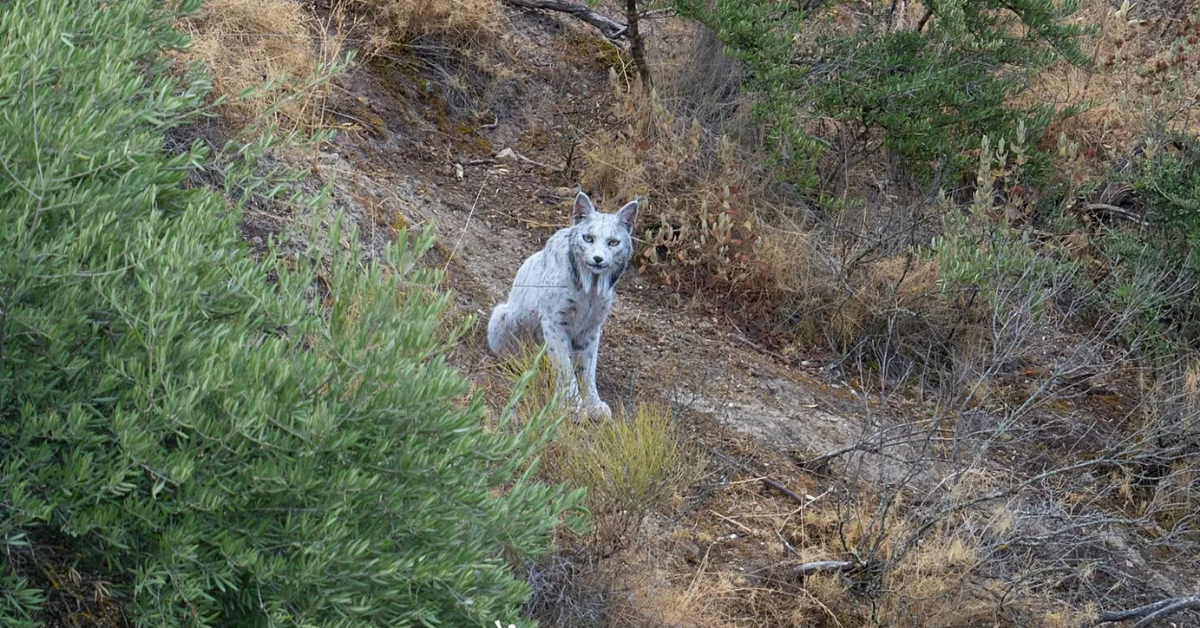
Sometimes, nature surprises us in ways that feel almost magical. On October 22, 2025, in the rugged mountains of Jaén, Spain, wildlife photographer Ángel Hidalgo captured something no one had ever seen before—a leucistic Iberian lynx. With its pale cream coat, piercing eyes, and signature ear tufts, this feline isn’t just rare—it’s the first of its kind ever documented in the wild.
The leucistic Iberian lynx is not albino. It retains some pigmentation, especially in its eyes and ears, but lacks the usual spotted golden-brown coat typical of its species. This partial pigment loss, known as leucism, is an extremely rare genetic condition. And in a species that was once on the brink of extinction, this sighting is nothing short of historic.

What Is a Leucistic Iberian Lynx?
The leucistic Iberian lynx is a genetic anomaly within the species Lynx pardinus. Unlike albinism, which results in a complete lack of melanin and red eyes, leucism causes a partial loss of pigmentation, giving the animal a ghostly white or cream-colored appearance while retaining normal eye color and other features.
This lynx, spotted in Jaén’s wild terrain, displayed:
- A pale cream coat with faint markings
- Sharp, dark ear tufts typical of the Iberian lynx
- Bright, clear eyes (not red, as in albinos)
- Agile movement and healthy behavior
Experts believe this is the first leucistic Iberian lynx ever recorded, making it a symbol of both genetic wonder and conservation success.

A Conservation Victory Decades in the Making
Back in 2002, the Iberian lynx population had dwindled to fewer than 100 individuals, making it the world’s most endangered feline. Thanks to coordinated efforts across Spain and Portugal—including habitat restoration, captive breeding, and anti-poaching laws—the population has now rebounded to over 2,000.
The appearance of a leucistic Iberian lynx is not just a genetic fluke—it’s a sign that the population is healthy enough for rare traits to emerge. Conservationists are celebrating this sighting as a testament to decades of hard work.
The Photographer Behind the Discovery
Ángel Hidalgo, a 29-year-old nature photographer from Jaén, had been placing motion-triggered cameras in the region for years. On October 22, his patience paid off. Reviewing footage from one of his traps, he spotted the pale feline moving gracefully through the underbrush.
“I couldn’t believe it,” Hidalgo said. “I had to watch it several times to make sure it was real.”
The exact location of the lynx has been kept secret to protect it from poachers and human interference. Wildlife authorities are monitoring the area discreetly to ensure its safety.
Why This Lynx Matters
The leucistic Iberian lynx is more than a rare animal—it’s a symbol of hope. Its existence proves that:
- Genetic diversity is returning to the Iberian lynx population
- Conservation efforts are working
- Nature still holds surprises, even in well-monitored regions
- Public interest in wildlife can be reignited through such discoveries
Social media has exploded with reactions, with some users comparing the lynx to mythical creatures or Pokémon. But beyond the memes lies a deeper truth: wildlife conservation is worth every effort.
What’s Next for the Iberian Lynx?
Wildlife experts are now:
- Studying the footage to learn more about the lynx’s behavior
- Monitoring the region for signs of other rare individuals
- Continuing habitat protection and breeding programs
- Educating the public about the importance of biodiversity
The leucistic Iberian lynx may never be seen again—but its brief appearance has already made a lasting impact.
Final Thoughts: A Pale Predator with a Powerful Message
The sighting of the leucistic Iberian lynx is a reminder that nature is resilient, mysterious, and beautiful. In a world where species vanish every day, this rare feline offers a glimpse of what’s possible when humans choose to protect rather than exploit.
Let this moment inspire us to support conservation, respect wildlife, and stay curious. Because sometimes, the rarest wonders walk quietly through the mountains—and all it takes is one camera, one moment, and one person to bring them into the light.
Disclaimer
This article is based on publicly available news as of October 31, 2025. Details about the lynx’s location and condition are subject to change. For updates, refer to Spain’s official wildlife conservation agencies.