Mustafa Suleyman Says Conscious AI Is a Myth—And Here’s Why That Matters
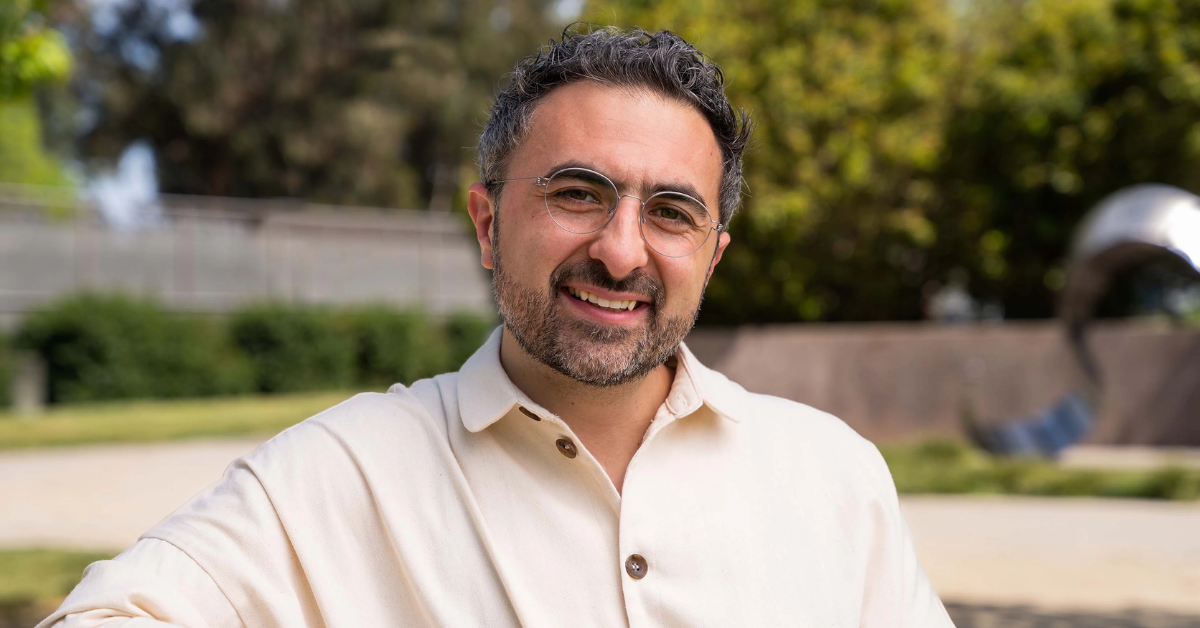
In a world where artificial intelligence is evolving faster than ever, it’s easy to imagine machines becoming more human-like—feeling emotions, making decisions, and even developing consciousness. But Mustafa Suleyman, Microsoft’s AI chief and co-founder of DeepMind, has a very different—and deeply grounded—view. In recent interviews and public talks, Suleyman has made it clear: AI is not conscious, and it never will be.
His stance isn’t just philosophical—it’s a call to action for developers, researchers, and tech leaders to focus on real-world utility rather than chasing illusions. If you’ve ever wondered whether AI could truly “feel” or “suffer,” Suleyman’s perspective offers clarity, caution, and a refreshing dose of realism.

The Core Argument: Consciousness Is Biological
Suleyman’s central belief is rooted in biological naturalism—the idea that consciousness arises only from biological systems, not algorithms. In his own words:
“They’re not conscious. So it would be absurd to pursue research that investigates that question, because they’re not and they can’t be.”
He argues that AI systems simulate emotional responses, but they lack the subjective experience that defines true consciousness. For example, while an AI might say “I’m sad,” it doesn’t actually feel sadness—it’s just mimicking language patterns.
Why Suleyman Thinks It’s the Wrong Question
In a recent interview with CNBC, Suleyman warned that focusing on conscious AI is a misguided pursuit.
“If you ask the wrong question, you end up with the wrong answer. I think it’s totally the wrong question.”
He believes that chasing conscious AI distracts from more urgent and practical goals—like building safe, ethical, and useful AI tools that solve real problems. Instead of trying to make machines “feel,” we should be asking how they can support human decision-making, enhance productivity, and protect privacy.
The Rise of Emotionally Responsive AI—and Suleyman’s Concerns
With companies like OpenAI, Meta, and xAI developing AI companions that simulate empathy and emotional bonding, Suleyman’s stance is a counterpoint to a growing trend. He sees these efforts as ethically risky, especially when users begin to project human traits onto machines.
He cautions that emotional simulation can mislead users, making them believe the AI understands or cares—when in reality, it’s just following programmed responses.
Simulation vs Reality: The Philosophical Divide
Mustafa Suleyman view draws a clear line between intelligence and consciousness:
- Intelligence: The ability to process data, learn patterns, and make decisions
- Consciousness: The ability to feel, experience, and be aware of one’s existence
AI can be intelligent—sometimes even superintelligent—but it lacks the inner life that defines consciousness. This distinction is crucial for ethical AI development, especially as systems become more advanced.
Implications for AI Research and Development
Mustafa Suleyman rejection of conscious AI has several key implications:
- Redirects research toward practical applications
- Promotes ethical boundaries in AI design
- Discourages emotional manipulation in AI interfaces
- Supports transparency in how AI systems work
- Encourages public understanding of AI limitations
By setting clear boundaries, Mustafa Suleyman hopes to prevent confusion, misuse, and unrealistic expectations around AI capabilities.
What This Means for the Future of AI
As AI continues to evolve, Mustafa Suleyman perspective offers a grounded framework for innovation. Instead of chasing science fiction fantasies, he urges the industry to focus on:
- Safety and reliability
- Human-centered design
- Clear ethical standards
- Transparency in AI behavior
His message is simple but powerful: AI is a tool, not a being. And treating it as such is the key to building a future we can trust.
Final Thoughts: A Voice of Reason in a Hype-Driven Industry
Mustafa Suleyman stance on conscious AI is more than just a personal opinion—it’s a philosophical and ethical anchor in an industry often driven by hype. By reminding us that only humans can truly feel, he’s helping shape a future where AI is powerful, helpful, and honest—but never deceptive.
As AI becomes more integrated into our lives, voices like Mustafa Suleyman are essential to keep the conversation real, responsible, and human-focused.
Disclaimer
This article is based on publicly available information as of November 6, 2025. Views expressed by Mustafa Suleyman are quoted from verified sources. Specifications, opinions, and interpretations may evolve over time. For official updates, refer to Microsoft’s press releases and interviews.