A Literary Legend Crowned: Laszlo Krasznahorkai Wins the 2025 Nobel Prize in Literature
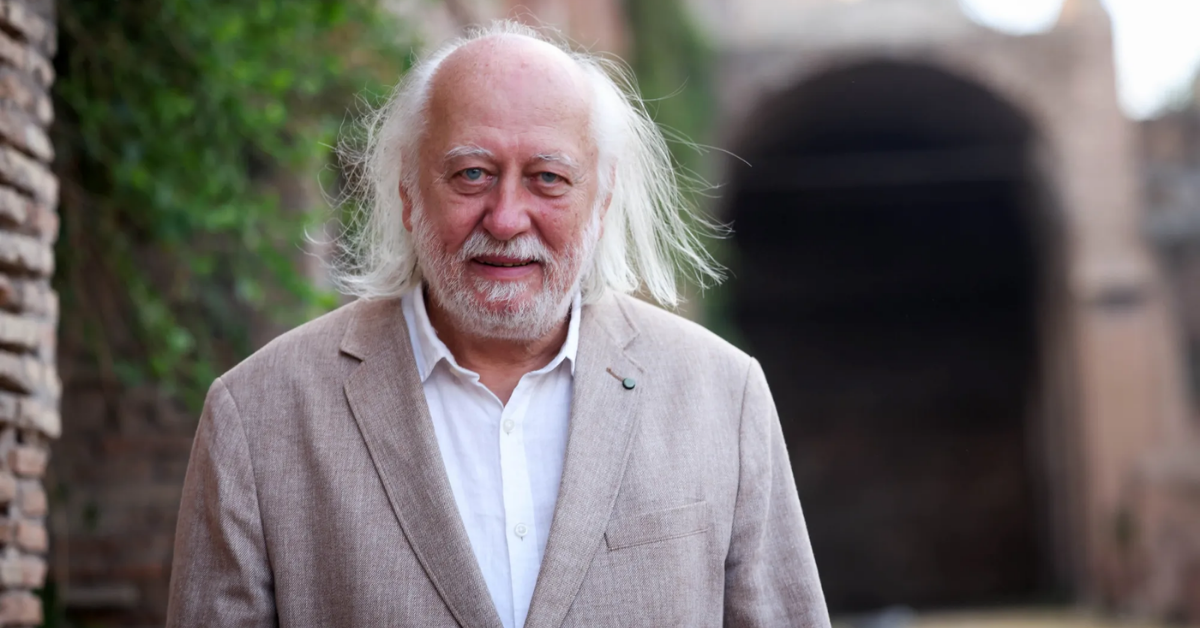
In a moment that stirred the hearts of readers around the world, Hungarian author Laszlo Krasznahorkai was awarded the 2025 Nobel Prize in Literature, honoring his lifetime of powerful, visionary storytelling. If you’ve ever felt the weight of words or been moved by the quiet intensity of a novel, this news will feel like a celebration of literature itself.
Born in Gyula, Hungary, in 1954, Krasznahorkai has spent decades crafting stories that challenge, provoke, and ultimately uplift. His writing is not just literature—it’s an experience. With this Nobel Prize, the world finally recognizes what many readers have known for years: Laszlo Krasznahorkai is one of the most daring and profound voices of our time.

Why Laszlo Krasznahorkai’s Win Matters
The Nobel Committee praised Laszlo Krasznahorkai “for his compelling and visionary oeuvre that, in the midst of apocalyptic terror, reaffirms the power of art.” That’s not just poetic praise—it’s a reflection of how deeply his work resonates in today’s world.
His novels often explore themes of despair, chaos, and endurance. Yet, through his hypnotic prose and philosophical depth, Laszlo Krasznahorkai reminds us that even in the darkest times, art can be a beacon. His win is a victory for literature that dares to be difficult, that refuses to be rushed, and that demands our full attention.
A Journey Through Krasznahorkai’s Literary Universe
Let’s take a moment to appreciate the path that led to this historic win.

- Debut Novel: Satantango (1985)
A haunting tale of a decaying village, Satantango introduced readers to Krasznahorkai’s signature style—long, winding sentences that feel like meditations. The novel was later adapted into a seven-hour film by Béla Tarr, becoming a cult masterpiece. - Herscht 07769 (2025)
His most recent work, Herscht 07769, is a chilling yet beautiful portrayal of social unrest in a small German town. Set against the backdrop of Johann Sebastian Bach’s legacy, the novel explores violence and beauty “impossibly conjoined,” as described by the Swedish Academy. - Other Notable Works
Titles like War and War, The Melancholy of Resistance, and Seiobo There Below have cemented his reputation as a literary philosopher. His characters often wander through existential landscapes, searching for meaning in a fractured world.
What Makes Krasznahorkai’s Writing So Unique?
Krasznahorkai’s writing is not for the faint of heart—but it’s deeply rewarding. Here’s why:
- Long, flowing sentences that mimic the rhythm of thought.
- Themes of apocalypse and persistence, reflecting the human condition.
- A blend of bleak humor and philosophical insight, making his stories both cerebral and emotional.
- A fearless approach to form, often abandoning traditional structure to create something wholly original.
His work challenges readers to slow down, reflect, and engage deeply. In a world of fast content, Krasznahorkai’s literature is a quiet rebellion.
A Historic Moment for Hungary and the Literary World
Laszlo Krasznahorkai is the first Hungarian laureate in literature since 2002. His win is not just a personal triumph—it’s a proud moment for Hungary and for literary communities worldwide. It reminds us that literature is a global conversation, and voices from every corner of the world deserve to be heard.
Disclaimer
This article is based on publicly available information as of October 2025. While every effort has been made to ensure accuracy, details may evolve over time. This blog is for informational and literary appreciation purposes only.
FAQs
1. Which writer won the Nobel Prize in Literature?
Hungarian author Laszlo Krasznahorkai won the 2025 Nobel Prize in Literature for his visionary storytelling and profound exploration of human existence. Known for his intense, philosophical prose and long, flowing sentences, Krasznahorkai’s work challenges readers to reflect deeply. His win celebrates literature that dares to be bold and transformative.
2. Who won the Nobel Prize in Literature in 2025?
Hungarian novelist Laszlo Krasznahorkai was awarded the 2025 Nobel Prize in Literature for his visionary and deeply philosophical storytelling. Known for his complex narratives and meditative prose, Krasznahorkai’s work explores themes of chaos, endurance, and beauty. His win celebrates literature that challenges convention and elevates the human experience.
3. Which three scientists received the Nobel Prize?
Three scientists—Susumu Kitagawa, Richard Robson, and Omar M. Yaghi—won the 2025 Nobel Prize in Chemistry for developing metal–organic frameworks. Their groundbreaking work created porous molecular structures that can store gases, drive chemical reactions, and conduct electricity, revolutionizing materials science and offering new possibilities in environmental and industrial applications.
4. Who is the youngest Nobel Literature winner?
Rudyard Kipling is the youngest Nobel Prize in Literature winner, receiving the honor in 1907 at age 41. Known for works like The Jungle Book and Kim, Kipling became the first English-language author to win the prize, recognized for his vivid storytelling and contributions to children’s literature and imperial themes.