Imagine standing in the vast deserts of Egypt and uncovering a creature that once ruled the coastal waters 80 million years ago. That’s exactly what a team of Egyptian paleontologists did when they discovered the earliest long-snouted crocodile fossil from Egypt, a find that’s now reshaping our understanding of marine reptile evolution. This isn’t just another fossil—it’s a window into a forgotten world, where ancient crocodiles swam in seas long before dinosaurs vanished.
The newly identified species, Wadisuchus kassabi, is believed to be the earliest known ancestor of seagoing crocodiles. Found in the Quseir Formation of Egypt’s Western Desert, this fossil pushes back the evolutionary timeline of marine crocs and highlights Africa—specifically Egypt—as their original home.

Meet Wadisuchus kassabi: The Ancient Marine Predator
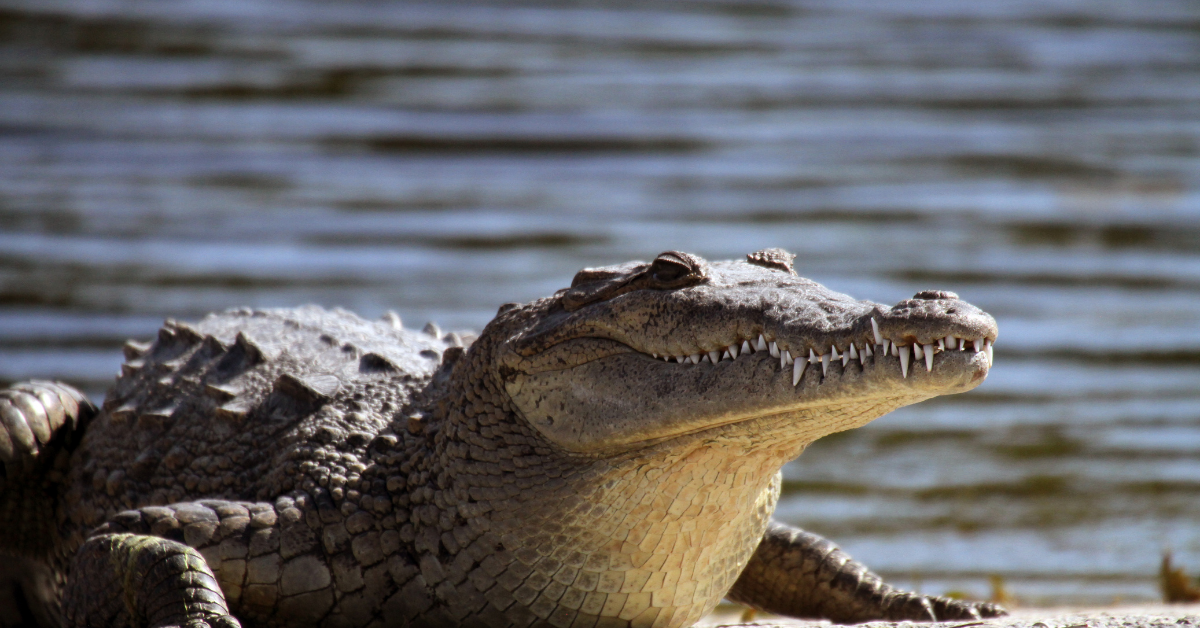
The earliest long-snouted crocodile fossil from Egypt belongs to a group called Dyrosaurids. Unlike today’s river-dwelling crocodiles, these ancient reptiles were powerful swimmers that thrived in coastal and marine environments. With elongated snouts and needle-sharp teeth, they were perfectly adapted to hunt slippery prey like fish and turtles.
The fossil remains include two partial skulls and three jaw fragments, offering crucial insights into the creature’s anatomy and lifestyle. The discovery also includes paleoart reconstructions showing Wadisuchus capturing lungfish in lush wetlands, surrounded by turtles and vegetation—painting a vivid picture of the Late Cretaceous ecosystem.
Why This Discovery Matters
The earliest long-snouted crocodile fossil from Egypt is more than a scientific milestone—it’s a cultural and historical triumph. It confirms that Africa, not South America or Europe, was the cradle of marine crocodile evolution. This shifts the narrative and places Egypt at the center of a major paleontological breakthrough.

It also helps scientists understand how reptiles adapted and diversified after the extinction of the dinosaurs. Dyrosaurids survived the mass extinction event and continued to evolve, making them key players in the story of life on Earth.
The Quseir Formation: Egypt’s Fossil Treasure Trove
The fossil was unearthed in the Quseir Formation, a geological site known for its rich deposits of Late Cretaceous fossils. Located near the Kharga Oasis, this region features red sandstones and green shales that have preserved ancient life for millions of years.
The earliest long-snouted crocodile fossil from Egypt adds to the growing list of discoveries from this area, reinforcing Egypt’s importance in global paleontology. Researchers believe that more marine reptile fossils may be hidden beneath the desert sands, waiting to be uncovered.
A Glimpse into Prehistoric Waters
The earliest long-snouted crocodile fossil from Egypt offers a rare glimpse into a time when marine reptiles ruled the coastal waters. Wadisuchus kassabi wasn’t just a predator—it was a survivor, navigating a world on the brink of massive change.
Its discovery helps scientists piece together the puzzle of reptile evolution and understand how life adapted after catastrophic events. It’s a reminder that even in the harshest environments, nature finds a way to thrive.
Final Thoughts: Egypt’s Role in Rewriting History
The earliest long-snouted crocodile fossil from Egypt is a testament to the power of curiosity and exploration. It proves that groundbreaking discoveries can come from unexpected places and that ancient life still has stories to tell.
For Egypt, this fossil is more than a scientific find—it’s a symbol of its rich natural heritage and its growing influence in global research. As paleontologists continue to dig deeper, who knows what other secrets the desert might reveal?
Disclaimer
This article is based on publicly available news and scientific reports as of October 2025. Fossil interpretations and classifications may evolve with further research. Always refer to official publications and scientific journals for the most accurate updates.