Life Insurance Policies in 2025: A Fresh Look at Protection, Peace, and Possibility
Let’s face it—life is unpredictable. And while we can’t control what happens tomorrow, we can prepare for it. That’s where life insurance policies come in. In 2025, these plans are not just financial tools—they’re emotional anchors for families, offering peace of mind in uncertain times.
Whether you’re a young professional, a parent, or someone planning retirement, understanding the latest trends in life insurance policies can help you make smarter, safer decisions. And with new updates from IRDAI and rising awareness across India, now is the perfect time to explore your options.
Latest News: LIC Reports Strong Growth in Premiums and Profit
India’s largest insurer, Life Insurance Corporation (LIC), reported a 32% rise in net profit for Q2 FY26, reaching ₹10,053 crore. Premium income also grew by 5.5% year-on-year, signaling strong consumer trust and market expansion.
The solvency ratio improved to 2.13%, reflecting better asset quality and financial health. This growth shows that life insurance policies are gaining traction—not just as tax-saving tools, but as essential financial safeguards.
IRDAI Guidelines 2025: Making Life Insurance More Transparent
The Insurance Regulatory and Development Authority of India (IRDAI) has introduced new rules to simplify and strengthen life insurance offerings:
- 0% GST on select term plans
- Guaranteed savings options with flexible income structures
- Improved claim settlement timelines
- Digital policy tracking via mobile apps
- Simplified disclosures for policyholders
These reforms aim to make life insurance policies more accessible, especially for first-time buyers and rural families.
The Awareness Gap: Half of India Still Uncovered
Despite growth, nearly 50% of Indians still lack term insurance, according to recent reports. Many families remain vulnerable to sudden income loss due to lack of coverage.
Term insurance is one of the most affordable and effective ways to protect your loved ones. For example, a ₹1 crore cover can cost as little as ₹19/day for a 20-year-old salaried male. Yet, myths and lack of awareness continue to hold people back.
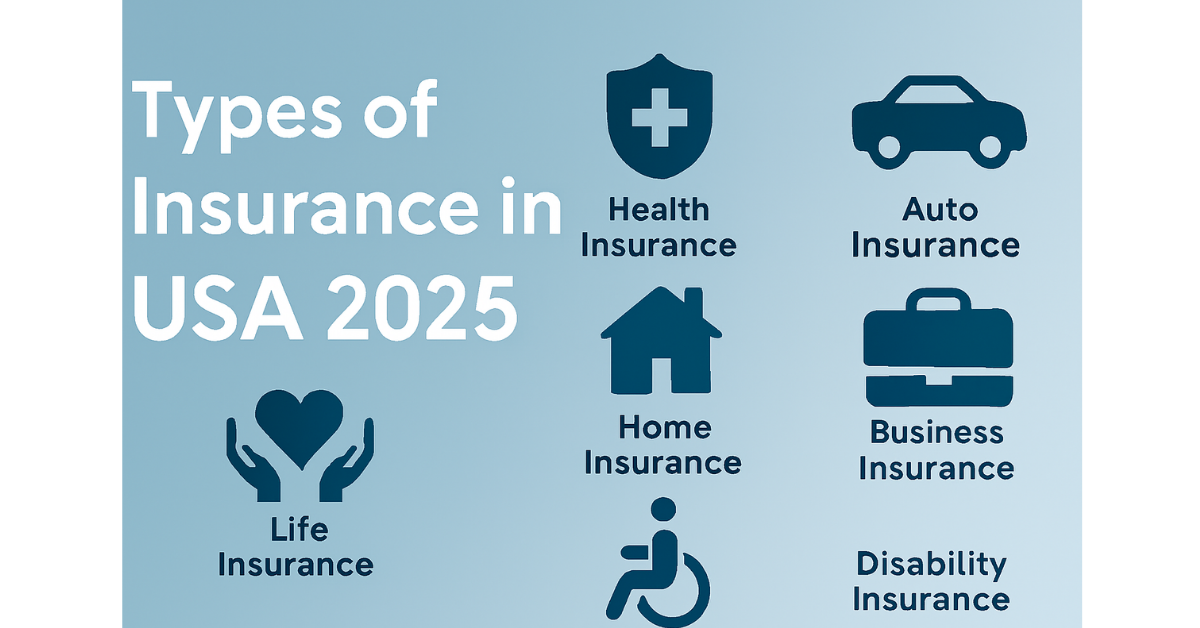
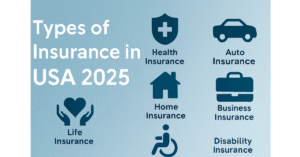
Types of Life Insurance Policies in 2025
Here’s a quick overview of popular plans:
- Term Insurance: Pure protection, low premium, high coverage
- Endowment Plans: Insurance + savings, fixed returns
- ULIPs: Market-linked returns with life cover
- Whole Life Plans: Coverage till age 99 or 100
- Group Term Plans: Offered by employers or associations
Each type serves different needs. Choosing the right one depends on your goals, income, and family situation.
Benefits of Life Insurance Policies
- Financial security for dependents
- Tax benefits under Section 80C and 10(10D)
- Loan collateral for emergencies
- Peace of mind during health or career transitions
- Legacy planning and wealth transfer
In 2025, insurers are also offering customizable riders like critical illness, accidental death, and income boosters.
How to Choose the Right Life Insurance Policy
Here are some tips:
- Assess your coverage needs (10–15x annual income)
- Compare premiums and benefits across insurers
- Check claim settlement ratio (LIC, HDFC Life, ICICI Prudential lead the charts)
- Use online calculators to estimate premiums
- Read policy documents carefully before signing
Remember, the best policy is one that fits your life—not just your budget.
Final Thoughts: Life Insurance Is a Promise You Make to Your Family
In a world full of uncertainties, life insurance policies offer a rare kind of certainty. They’re not just contracts—they’re commitments to protect, support, and uplift the people you love.
As India’s insurance landscape evolves in 2025, staying informed and proactive can help you make choices that truly matter. Because when life throws surprises, your policy should be ready to catch them.
Disclaimer
This article is based on publicly available information as of November 10, 2025. Policy features, premiums, and regulations may vary by insurer and region. For official updates, refer to IRDAI guidelines and individual insurance providers.